how to plane swap
365 days of work for 40 seconds
of outcome. Discover the science behind the physics-defying feat.

00
Days
00
HRS
00
MINS
00
SECS
Plane Swap - Livestream Event on Hulu Sunday, April 24, 2022


The flight will start like thousands of other ordinary flights. Luke and Andy setting off after each other down a runway. The same thing they have done literally thousands of times since they were teenagers.
But this is no ordinary take-off. It’s the start of a visionary idea becoming a reality. Never in the history of flight has a pilot taken off in one plane, and landed in another. Yet this milestone features not just one, but two pilots who are going to perform simultaneously.
A helicopter will capture the ascent of the Cessna 182 airplanes over the Arizona desert and viewers will be able to listen in on Luke and Andy’s final words to each other before the fun really begins.
Ascend
Checks
For a feat that may only last all of 40 seconds, meticulous planning and testing has gone on for 12 months with the help of a highly skilled and qualified team.
Every single aspect of the flight has been checked, tested, evaluated, and then checked some more.
The final checks will take place at 14,000ft in the sky as the planes prepare to level off and start to arrange into formation. It’s only once this procedure has been finished that the ultimate Go/No call will be made.
Nosedive
For the mission to be a success it requires both planes to maintain a nosedive, in formation, even when the pilots are not in control of them.
To achieve this, both planes will be fitted with a GPS autopilot system working constantly to make sure they’re on a vertical trajectory towards the ground. This system will be activated once the pilots have manually entered the nosedive and switched the engines off, causing the planes to stall in mid-air.
So, with the direction now set, the next big challenge awaits. Controlling the speed so the pilots can re-enter successfully.
Jump
Time for some simple mathematics. On average, a skydiver will freefall at roughly 130mph. However, a plane in a nosedive will very quickly reach its terminal velocity of around 210mph, at which point it will start to disintegrate.
The objective was clear; find a solution to significantly slow the plane down once the pilots have exited the cockpit at approximately 300ft from each other. Enter the speed brake system.
Attached to the underbelly of the plane, the giant brake produces nine times more drag than the plane would usually have. When activated, the plane will stabilize at around 125mph which allows Luke and Andy enough time to catch up and re-enter safely.
Swap
With the planes holding steady in a nosedive, Luke and Andy will skydive down to approximately 2000ft above the ground before re-entering them.
But just how do you get into the cockpit of a moving aircraft at 140mph and start the recovery sequence when your seat is at a vertical angle and you can’t sit in it?
During a test flight, Andy found the solution. Holding onto the strut (piece of landing equipment), he pulled himself closer to the aircraft and placed his chest on the door frame. With one leg and arm inside the plane, he found he could deactivate the nosedive and then be able to sit back on the seat once the plane had begun to level out.
Recover
With both pilots successfully back in their planes and autopilot deactivated, they will fully take back control by retracting the speed brake and restarting the engine.
Once they achieve this the smoke, which had been turned on to show the planes were unmanned, will be switched off to signify a successful mission.
The celebrations and final moments of flight before landing will again be captured by helicopter.
LOCATIONS
ARIZONA DESERT
SAN LUIS OBISPO
STAGES
SKETCHES
THE TEAM
Checks
Nosedive
Jump
Swap
Recover
Ascend
LUKE AIKINS, USA
Pilot & skydiver
ANDY FARRINGTON, USA
Pilot & skydiver
PAULO ISCOLD, BRA
Lead Aeronautical Engineer
AARON FITZGERALD, USA
Aerial Coordinator
01
02
03
04
05
06
02
01
03
04
05
06


“There’s no one else I wanted to work with besides Andy.”
“When this happens, it’s going to be one of those cool moments for me that we jumped through every hurdle. We took a lot of no’s, and here we are.”
“There is no autopilot in the world that is able to fly airplanes going straight down. So we had to develop one.”
“When we put this giant brake down and turn the engine off, this plane is no longer aerodynamically possible to fly. It’s now just a falling object.”
“If you're waiting for it to be absolutely perfect, you'll be waiting too long. You’ve got to be a little bit aggressive with it.”
“I want to do something that seems impossible. And I want to show the world that anything and everything is possible with some hard work and never giving up on what you want to do.”


hover and click


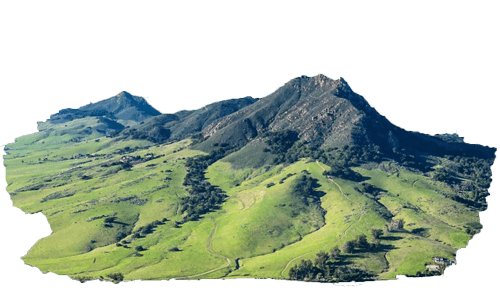
Test flights have been performed at the Plane Swap training base at San Luis Obispo Airport, California. It was crucial to find a venue that has comparable conditions to what the pilots will experience on April 24.
The timing of the flight will largely be determined by the air temperature as in extreme heat the air is less dense, and the planes fall through the air faster. With the climate being slightly warmer in Arizona than California, Iscold believes a late afternoon take off is likely.


Time
00:15:00
Time
00:02:00
Time
00:00:30
Time
00:00:70

Recover
With both pilots successfully back in their planes and autopilot deactivated, they will fully take back control by retracting the speed brake and restarting the engine.
Once they achieve this the smoke, which had been turned on to show the planes were unmanned, will be switched off to signify a successful mission.
The celebrations and final moments of flight before landing will again be captured by helicopter.
06
“I want to do something that seems impossible. And I want to show the world that anything and everything is possible with some hard work and never giving up on what you want to do.”

Swap
With the planes holding steady in a nosedive, Luke and Andy will skydive down to approximately 2000ft above the ground before re-entering them.
But just how do you get into the cockpit of a moving aircraft at 140mph and start the recovery sequence when your seat is at a vertical angle and you can’t sit in it?
During a test flight, Andy found the solution. Holding onto the strut (piece of landing equipment), he pulled himself closer to the aircraft and placed his chest on the door frame. With one leg and arm inside the plane, he found he could easily the nosedive and then be able to sit back on the seat once the plane had begun to level out.
05
“If you're waiting for it to be absolutely perfect, you'll be waiting too long. You’ve got to be a little bit aggressive with it.”
Jump
Time for some simple mathematics. On average, a skydiver will freefall at roughly 130mph. However, a plane in a nosedive will very quickly reach its terminal velocity of around 210mph, at which point it will start to disintegrate.
The objective was clear; find a solution to significantly slow the plane down once the pilots have exited the cockpit at approximately 300ft from each other. Enter the speed brake system.
Attached to the underbelly of the plane, the giant brake produces nine times more drag than the plane would usually have. When activated, the plane will stabilize at around 125mph which allows Luke and Andy enough time to catch up and re-enter safely.
04
“When we put this giant brake down and turn the engine off, this plane is no longer aerodynamically possible to fly. It’s now just a falling object.”
Time
00:00:70
Nosedive
For the mission to be a success it requires both planes to maintain a nosedive, in formation, even when the pilots are not in control of them.
To achieve this, both planes will be fitted with a GPS autopilot system working constantly to make sure they’re on a vertical trajectory towards the ground. This system will be activated once the pilots have manually entered the nosedive and switched the engines off, causing the planes to stall in mid-air.
So, with the direction now set, the next big challenge awaits. Controlling the speed so the pilots can re-enter successfully.
03
“There is no autopilot in the world that is able to fly airplanes going straight down. So we had to develop one.”
Time
00:00:30
Checks
For a feat that may only last all of 40 seconds, meticulous planning and testing has gone on for 12 months with the help of a highly skilled and qualified team.
Every single aspect of the flight has been checked, tested, evaluated, and then checked some more.
The final checks will take place at 14,000ft in the sky as the planes prepare to level off and start to arrange into formation. It’s only once this procedure has been finished that the ultimate Go/No call will be made.
02
“When this happens, it’s going to be one of those cool moments for me that we jumped through every hurdle. We took a lot of no’s, and here we are.”
Time
00:02:00
Ascend
01
The flight will start like thousands of other ordinary flights. Luke and Andy setting off after each other down a runway. The same thing they have done literally thousands of times since they were teenagers.
But this is no ordinary take-off. It’s the start of a visionary idea becoming a reality. Never in the history of flight has a pilot taken off in one plane, and landed in another. Yet this milestone features not just one, but two pilots who are going to perform simultaneously.
A helicopter will capture the ascent of the Cessna 182 airplanes over the Arizona desert and viewers will be able to listen in on Luke and Andy’s final words to each other before the fun really begins.
“There’s no one else I wanted to work with besides Andy.”
Time
00:15:00
05
Swap
04
Jump
03
Nosedive
02
Checks
01
Ascend
The first thing we do is start identifying what are the steps we need to take, what are the problems we need to solve? It's one step at a time and you just work your way through from impossible to possible.
Click to watch Luke explain Plane Swap


06
Recover
04
Jump
05
Swap
03
Nosedive
02
Checks
The first thing we do is start identifying what are the steps we need to take, what are the problems we need to solve? It's one step at a time and you just work your way through from impossible to possible.
01
Ascend

Time
00:02:00
Time
00:00:30
Time
00:00:70
The first thing we do is start identifying what are the steps we need to take, what are the problems we need to solve? It's one step at a time and you just work your way through from impossible to possible.

04
05
02
03
06

01
how to
plane swap
how to
plane swap


SKETCHES
SKETCHES
click to see more
hover and click
Click to watch Luke explain Plane Swap
Click to watch Luke explain Plane Swap
Click to watch Paolo explain the autopilot system
Click to watch the plane modifications
Click to watch the plane modifications
Swap
With the planes holding steady in a nosedive, Luke and Andy will skydive down to approximately 2000ft above the ground before re-entering them.
But just how do you get into the cockpit of a moving aircraft at 140mph and start the recovery sequence when your seat is at a vertical angle and you can’t sit in it?
During a test flight, Andy found the solution. Holding onto the strut (piece of landing equipment), he pulled himself closer to the aircraft and placed his chest on the door frame. With one leg and arm inside the plane, he found he could deactivate the nosedive and then be able to sit back on the seat once the plane had begun to level out.
05
“If you're waiting for it to be absolutely perfect, you'll be waiting too long. You’ve got to be a little bit aggressive with it.”
hover and click on the planes


